
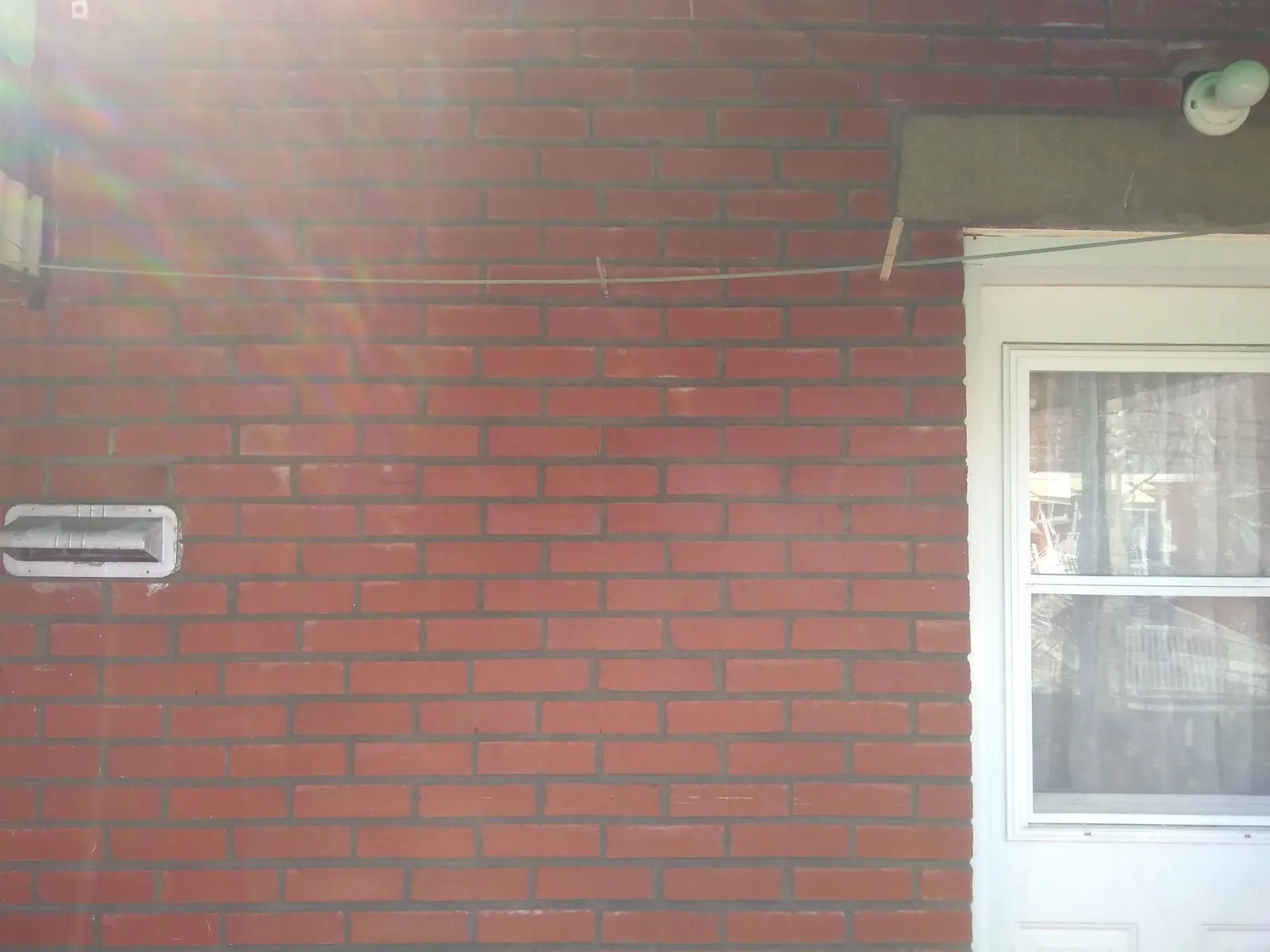
Why Type N Mortar Is the Right Choice for Old Brick
Historic brickwork was never designed to work with today’s high-strength mortars. Before the 1950s, most masonry was built with soft, low-compression bricks paired with lime-rich mortar that flexed, breathed, and absorbed movement. When repairing or repointing these structures, choosing the right mortar is critical to preserving the brick, not just the joints.
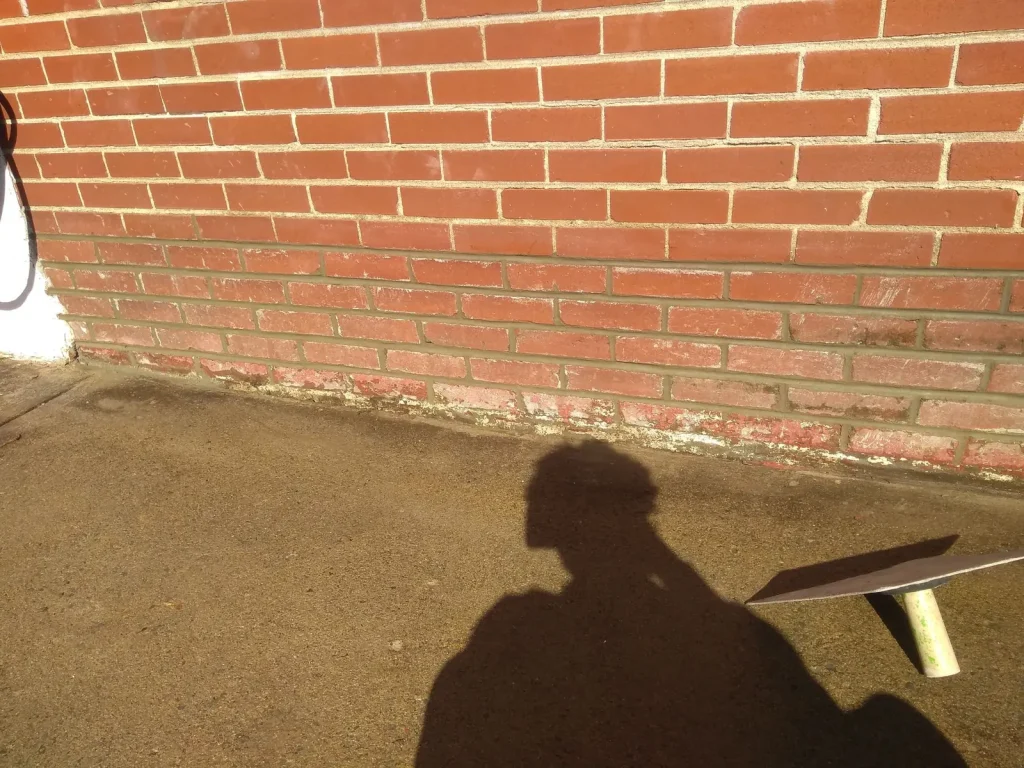
Why Type N mortar is the better match
Type N mortar has a medium compressive strength, around 750 psi, which closely matches the softness and flexibility of older brick. This allows the mortar to act as the sacrificial element, absorbing stress and minor movement so the brick doesn’t have to.
What goes wrong with Type S mortar
Type S mortar is much stronger, often exceeding 1,800 psi. That strength is great for modern concrete block, but it’s far too rigid for historic brick. When used on older structures, Type S doesn’t flex with seasonal movement. Instead, it transfers stress directly into the brick, leading to cracking, spalling, and long-term structural damage.
The bottom line
If you’re repairing or repointing older masonry, Type N mortar is the safe, compatible choice. It protects the brick, maintains breathability, and preserves the building for decades to come. Using Type S may seem stronger, but in historic masonry, “stronger” often means “more destructive.”
Need help with older brick? See our repointing & tuckpointing, brick repair and heritage restoration services, or request a quote.